
Sexuality & fertility
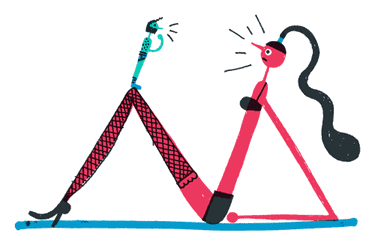
It is normal to be concerned about sexuality when you are diagnosed with testicular cancer. The testicule is associated with the ability to father children, masculinity and testosterone, the hormone responsible for sexual desire!
Might as well address your top-of-mind question: Testicular cancer will have no direct effect on erectile function.
In a sexual context, fear of failure and anxiety can be associated with the fear of not having an erection, the fear of not meeting your partner’s expectations or the fear of not being a good lover. As a result, all such fears will have an effect on an erection. It is therefore not testicular cancer that is the cause, but rather the psychological impacts associated with the performance anxiety associated with this type of cancer!
The type of cancer, where it is located and how it has spread will determine its impact on the quality of your sex life. In the majority of cases, changes in sexual function, should they occur, will disappear over time. The sexual desire phase may be affected by the disease. In the majority of cases, disease related stress, depression and anxiety will contribute to a decrease in sexual desire and a loss of interest in sexual intimacy.
Although rare, some therapies could modify orgasm. Anejaculation, retrograde ejaculation or a decrease in ejaculate volume may be observed.
In any cancer context, talking about one’s sex life may constitute an additional challenge. Several people will tend to turn in on themselves rather than share their concerns about sexuality with their partner.
Such consequences are not the result of testicular cancer, but rather of the psychological impacts associated with performance anxiety.